Find Your Training Path

Effective training is not about following the latest trend or copying someone else's routine. It is about understanding the fundamental categories of exercise and selecting the combination that aligns with your current goals, schedule, and physical readiness. Strength work builds your foundation, cardiovascular training develops your endurance, and mobility practice keeps your body moving freely through every range of motion.

Most people benefit from incorporating elements of all three categories into their weekly routine. The proportions will vary depending on where you are in your fitness journey and what you are working toward. A beginner might emphasize learning foundational strength movements while gradually adding cardiovascular sessions, while a more experienced trainee might structure their week around specific training blocks with intentional recovery periods built in between.

Training Categories

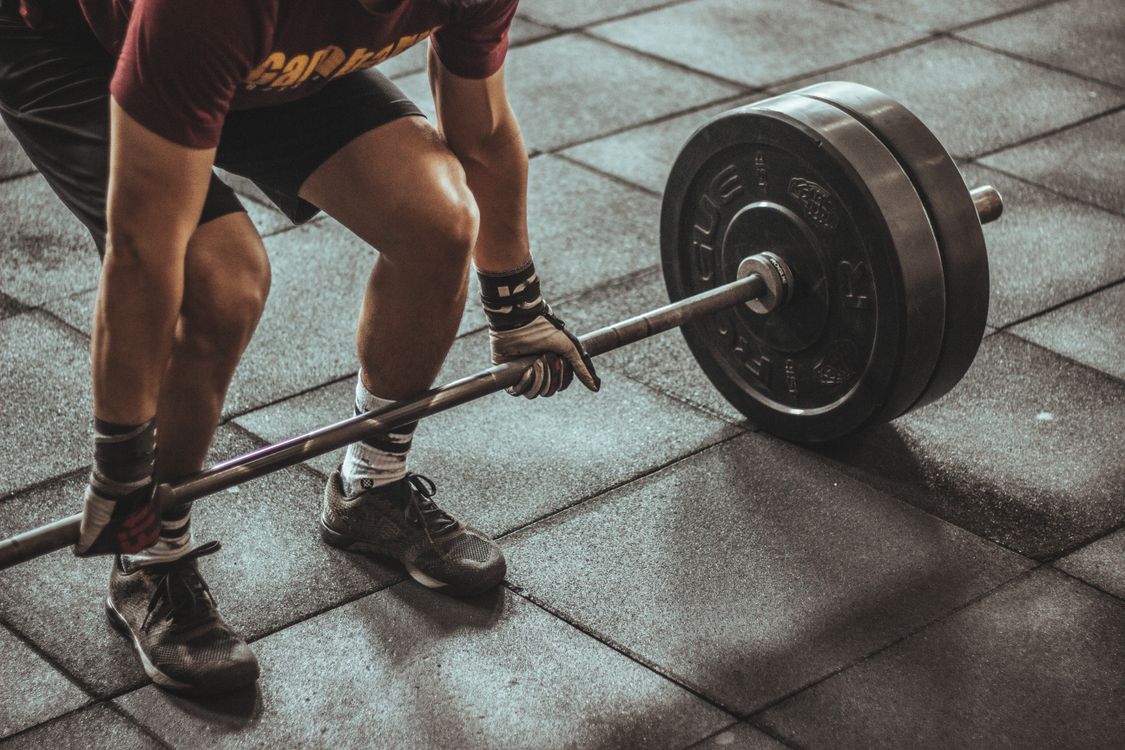
Person performing a barbell squat in a training space

Strength Training

Build functional strength through compound movements, progressive resistance, and structured programming that scales with your ability. Develop muscle, bone density, and the physical resilience that carries into everyday life.

Explore
Person running outdoors during sunrise

Cardio & Conditioning

Develop cardiovascular endurance, improve heart health, and increase your capacity for sustained physical effort through varied training methods. From steady-state sessions to high-intensity intervals, find the approach that fits your lifestyle.

Explore
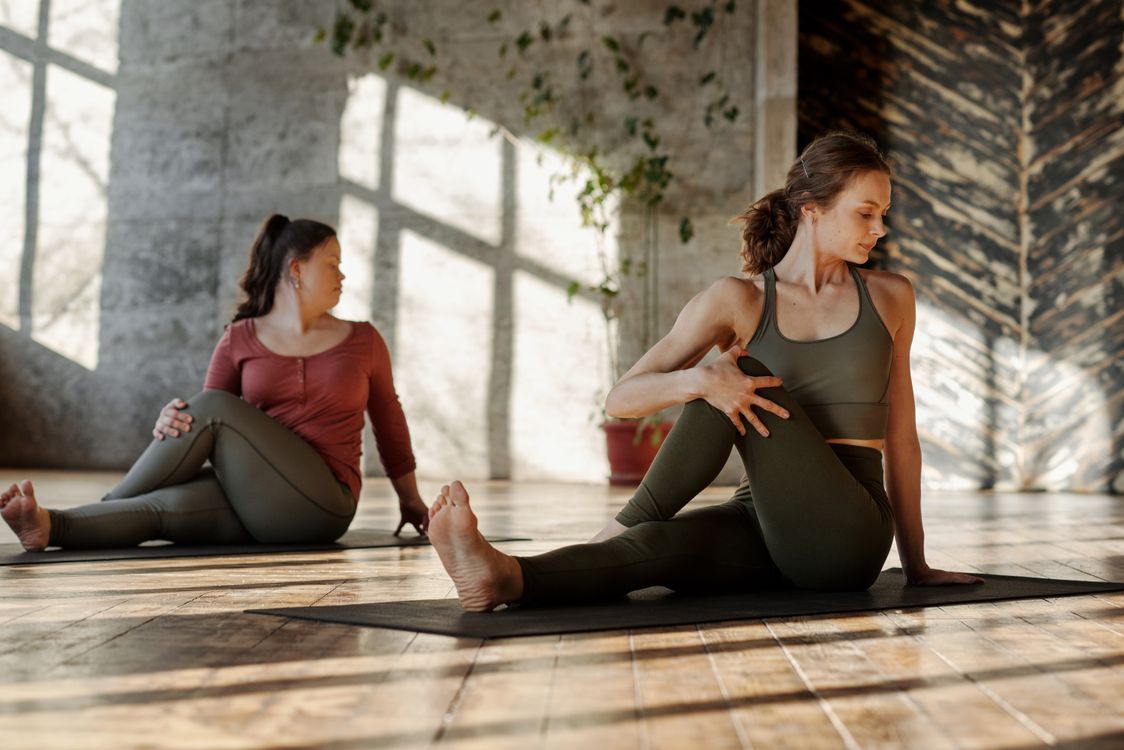
Person performing a deep hip flexor stretch

Mobility & Flexibility

Improve your range of motion, reduce stiffness, and move with greater ease through targeted mobility work and flexibility training. Invest in the movement quality that supports every other aspect of your fitness.

Explore

Training Principles

Regardless of which training category you focus on, a handful of universal principles govern effective programming. Understanding these concepts helps you make smarter decisions about your workouts and recognize what separates productive training from wasted effort.

Progressive Overload

Your body adapts to the demands placed upon it. To continue making progress, you must systematically increase those demands over time — whether through additional weight, more repetitions, or greater training volume. Without progressive challenge, results plateau.

Progressive Adaptation

Your body needs time to adapt to new training stimuli. Rushing the process — adding weight too quickly or increasing volume too aggressively — leads to fatigue and setbacks. Patience in your progression builds a more durable foundation for long-term gains.

Recovery Balance

Training creates the stimulus for change, but recovery is where that change actually happens. Adequate sleep, nutrition, and rest days are not optional extras — they are essential components that determine whether your hard work translates into real progress.

Movement Quality

Prioritizing proper technique over heavier weights or faster reps reduces injury risk and ensures you train the intended muscles effectively. Mastering movement patterns first creates a foundation that makes every subsequent training session more productive.

Building a Balanced Week

A well-structured training week distributes work across different physical qualities — strength, cardiovascular fitness, and mobility — while allowing adequate recovery between sessions. The exact balance depends on your goals, but most people benefit from a varied approach that addresses multiple dimensions of fitness rather than focusing exclusively on one.

Rest days are not wasted days. They are when your body repairs muscle tissue, replenishes energy stores, and consolidates the adaptations triggered by your training. Skipping rest in pursuit of more workouts often produces diminishing returns and increases the risk of overtraining.

Suggested Weekly Structure

Day 1 — Upper Body Strength: Focus on pressing and rowing movements such as push-ups, overhead presses, and rows. Include pulling exercises to balance your shoulders and upper back. Spend fifteen to twenty minutes on this session.

Day 2 — Cardio and Conditioning: Engage in steady-state cardiovascular work like brisk walking, cycling, or jogging for twenty to thirty minutes. This builds your aerobic base and supports heart health without placing heavy muscular demands on your body.

Day 3 — Rest or Light Mobility: Allow your body to recover. If you feel restless, a ten-minute session of gentle stretching or yoga poses can promote circulation and reduce stiffness without taxing your recovery capacity.

Day 4 — Lower Body Strength: Train squats, lunges, and hip hinge patterns like deadlifts or bridges. These compound movements recruit the largest muscles in your body and deliver significant strength and metabolic benefits in a single session.

Day 5 — Full Body Mobility: Dedicate this session to improving range of motion across your hips, thoracic spine, shoulders, and ankles. Targeted mobility work prevents the stiffness that accumulates from sitting and strength training alike.

Days 6 and 7 — Rest: Take two full recovery days each week. Use this time to sleep well, eat nutritious meals, and let your body consolidate the progress you have made during the training week.

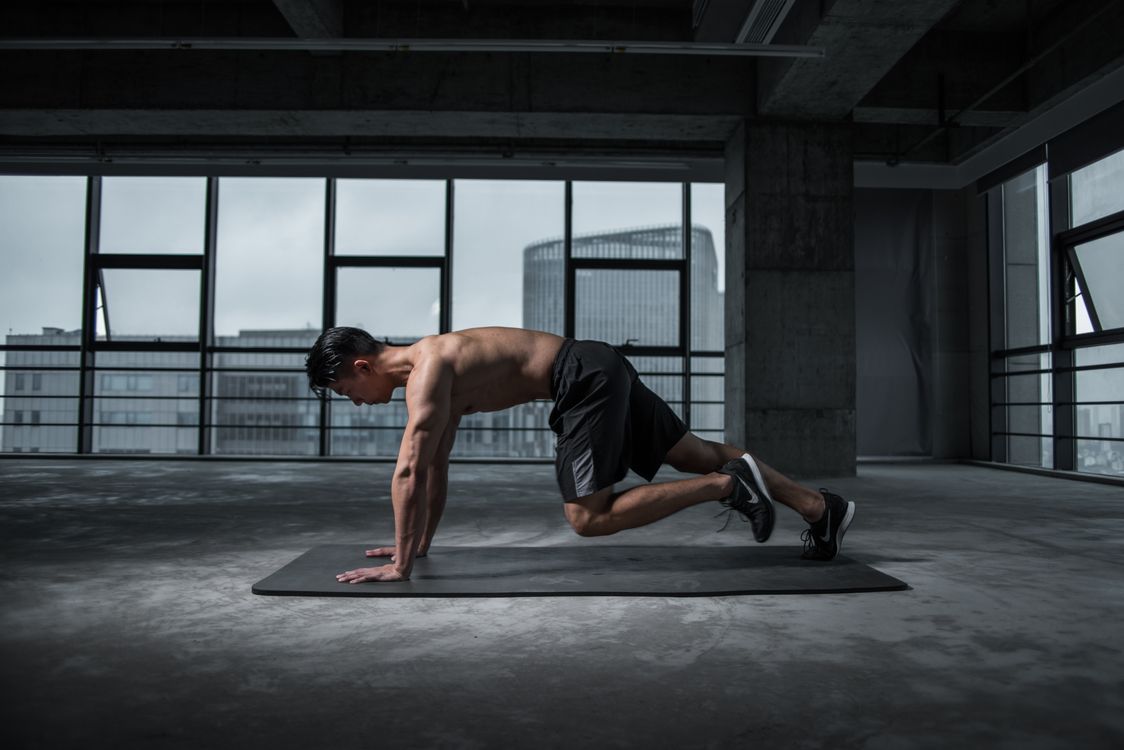
Training space set up for a balanced workout session

New to Training?

Person performing a basic bodyweight exercise at home

Starting a new exercise routine can feel intimidating, but the fundamentals are more straightforward than most people expect. The most important thing is to begin with manageable sessions at a moderate intensity and build from there. Three training sessions per week provides enough stimulus for meaningful progress while leaving ample time for recovery.

In your first few weeks, focus on learning basic movement patterns — how to squat, hinge, push, and pull with control. These foundational movements form the building blocks of almost every effective exercise program. Start with bodyweight variations or light resistance and let proper form guide your progression before adding heavier loads.

Consistency matters far more than intensity during this early phase. A modest program performed reliably every week will produce better results than an aggressive plan that you abandon after ten days. Give yourself permission to start small and build momentum gradually.

Get Started With Fitness Tips

Essential Equipment

You do not need a garage full of equipment to train effectively. A small selection of versatile tools covers the vast majority of exercise needs for both home and gym settings. Investing in a few quality items gives you the flexibility to vary your workouts without requiring a commercial facility.

Dumbbells remain the single most useful piece of training equipment. A moderate pair allows you to perform presses, rows, squats, lunges, and dozens of other movements with adjustable resistance. Adjustable dumbbells save space while providing a wide range of weight options as you progress.

Resistance bands are affordable, portable, and surprisingly effective. They provide variable resistance that challenges your muscles differently than free weights, making them valuable for warm-ups, accessory exercises, and rehabilitation work. Keep a set near your desk for quick mobility sessions throughout the day.

A pull-up bar opens up one of the most effective upper body exercises available. Even if you cannot perform full pull-ups initially, hanging from a bar builds grip strength and decompresses your spine, while assisted variations help you progress toward your first unassisted repetition.

A sturdy bench expands your exercise library significantly. Bench presses, step-ups, single-arm rows, and tricep dips all benefit from a stable elevated surface. An adjustable bench that inclines and declines provides even more training versatility in a compact footprint.
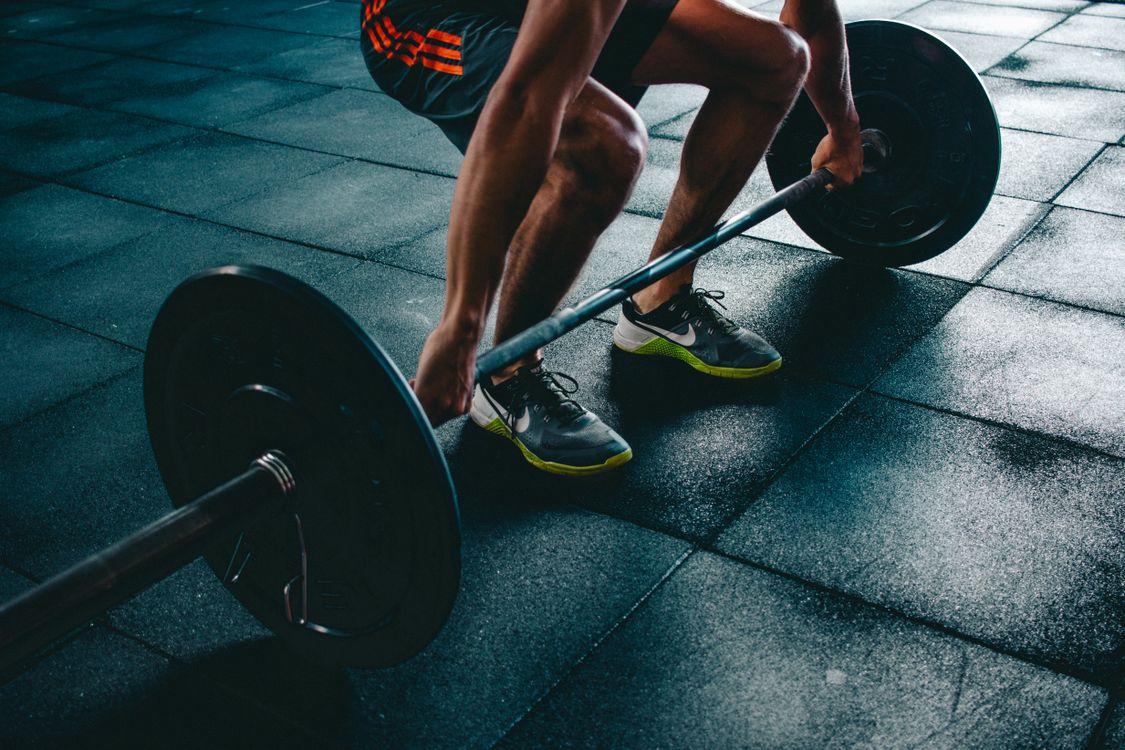

Pair of dumbbells on a gym floor ready for a strength training session

Ready to Start Training?

Whether you are beginning your fitness journey or refining an existing program, we are here to help you find the training approach that fits your goals and lifestyle. Get in touch and take the next step toward building lasting strength and fitness.

Get In Touch